


Advanced Glaucoma Screening in Santa Fe, TX: How Modern Technology Catches the "Silent Thief" Early
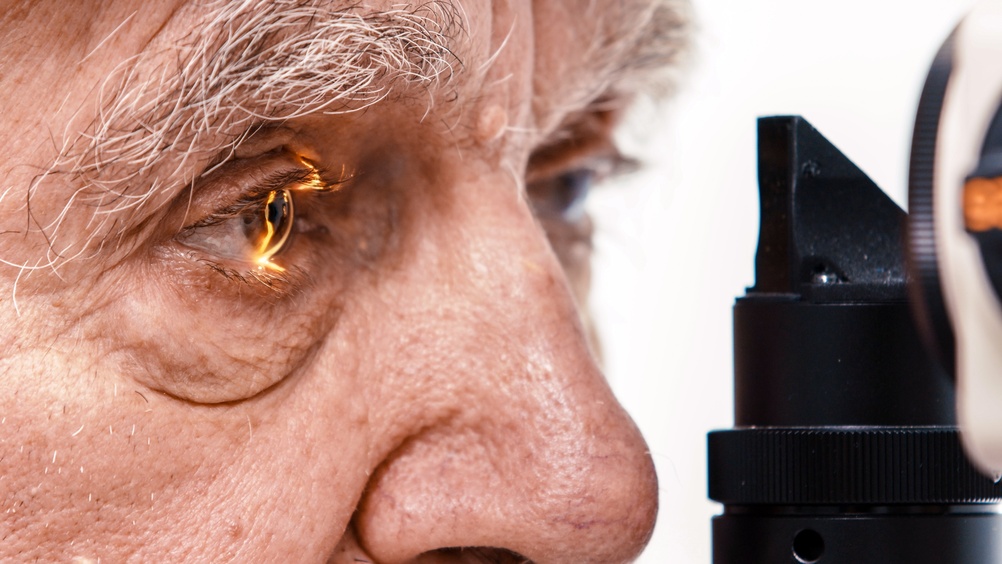
Glaucoma is often called the "silent thief of sight" because it can gradually damage your vision without noticeable warning signs. By the time symptoms develop, permanent vision loss may have already occurred. At Texas State Optical in Santa Fe, TX, we emphasize the importance of routine eye exams and advanced glaucoma screening to detect potential problems before they significantly affect your eyesight.
With modern diagnostic technology, we can evaluate your optic nerve, measure eye pressure, and identify subtle changes that may indicate glaucoma.
Why Is Glaucoma Called the Silent Thief of Sight?
Glaucoma is a group of eye conditions that damage the optic nerve, which carries visual information from your eyes to your brain. This damage is often associated with elevated eye pressure, although glaucoma can also develop when eye pressure is within the normal range.
The most common form, open-angle glaucoma, typically progresses slowly and without pain. Peripheral vision is often affected first, making early changes difficult to recognize.
Because glaucoma-related vision loss cannot be reversed, early detection is essential. Regular glaucoma screenings in Santa Fe allow us to assess your risk and identify concerning changes before substantial vision loss occurs.
How Advanced Technology Helps Detect Glaucoma Early
Modern glaucoma screening involves more than checking eye pressure. At our Santa Fe eye care practice, we evaluate multiple aspects of eye health to better understand each patient's risk.
Depending on your examination findings, glaucoma testing may include:
Tonometry: Measures intraocular pressure to identify elevated readings that may increase glaucoma risk.
Optic Nerve Examination: Allows us to evaluate the appearance of the optic nerve for signs of damage.
Optical Coherence Tomography (OCT): Uses detailed imaging to measure retinal nerve fiber layer thickness and identify structural changes associated with glaucoma.
Visual Field Testing: Evaluates peripheral vision to detect patterns of vision loss that may indicate optic nerve damage.
Pachymetry: Measures corneal thickness, which helps us interpret eye pressure readings more accurately.
These tests provide valuable information when used together. No single measurement can definitively diagnose or rule out glaucoma, making a comprehensive evaluation important.
Who Should Consider Regular Glaucoma Screening?
Although glaucoma can affect anyone, certain individuals have a higher risk of developing the condition.
Adults over 60, individuals with a family history of glaucoma, and patients with elevated eye pressure may require closer monitoring. Diabetes, previous eye injuries, and prolonged corticosteroid use can also influence glaucoma risk.
At Texas State Optical, we consider your medical history, family history, and examination results when determining whether additional glaucoma testing is appropriate.
Even if your vision seems perfectly clear, routine eye exams remain important. Many patients with early glaucoma experience no noticeable changes in their eyesight.
Can Early Glaucoma Detection Prevent Vision Loss?
Although glaucoma cannot currently be cured, early diagnosis and appropriate treatment can significantly slow its progression.
When glaucoma is detected, treatment generally focuses on lowering eye pressure through prescription eye drops, laser procedures, or surgery when necessary.
Ongoing monitoring is equally important. Comparing examination results over time helps us identify changes and determine whether treatment adjustments or additional care may be needed.
Our goal is to help patients in Santa Fe protect their remaining vision through timely detection, education, and personalized eye care.
Don't let the silent thief of sight threaten your vision. Schedule your glaucoma screening with Texas State Optical in Santa Fe, TX, today by calling (409) 231-6800 and take a proactive step toward protecting your eyesight.


Operating Hours
- Monday Closed
- Tuesday 8:00 AM - 5:30 PM
- Wednesday 8:00 AM - 5:30 PM
- Thursday 8:00 AM - 5:30 PM
- Friday 8:00 AM - 5:30 PM
- Saturday 8:00 AM - 12:00 PM
- Sunday Closed
Contact Us
© 2026 Texas State Optical. All rights Reserved. Accessibility Statement - Privacy Policy - Sitemap
Powered by:
