


Comprehensive Eye Exams: What Happens and What Can Be Detected
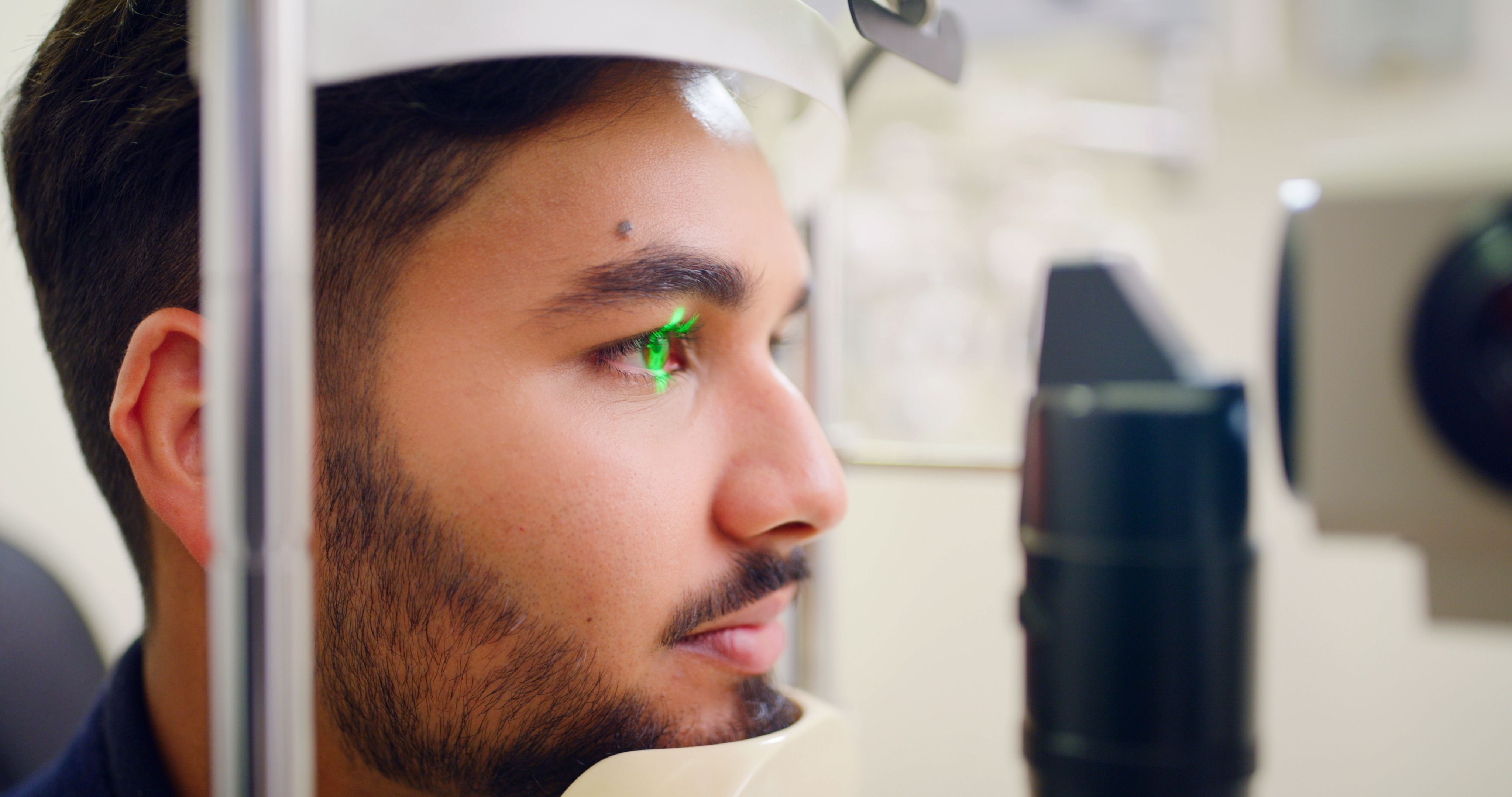
A comprehensive eye exam at Texas State Optical is designed to do much more than determine whether you need glasses or contact lenses. It provides a detailed evaluation of your overall eye health and can uncover early signs of serious medical conditions. Unlike a basic vision screening, which may only test how well you see at a distance, a comprehensive exam assesses the full function and health of your eyes.
Reviewing Your Medical and Vision History
Every comprehensive eye exam begins with a discussion about your medical history, lifestyle, medications, and any vision concerns you may be experiencing. Conditions such as diabetes, high blood pressure, and a family history of eye disease can increase your risk for certain ocular problems. Your optometrist may ask about symptoms like blurry vision, eye strain, headaches, floaters, dry eyes, or difficulty seeing at night. This information helps guide the rest of the exam and ensures your care is tailored to your specific needs.
Measuring Visual Clarity and Prescription Needs
Visual acuity testing is often the most familiar part of an eye exam. This test measures how clearly you can see at various distances and helps determine whether you need corrective lenses. If vision correction is necessary, a refraction assessment follows to pinpoint your exact prescription. This ensures that your glasses or contact lenses provide sharp, comfortable vision for everyday activities.
Evaluating Eye Coordination and Peripheral Vision
Your eye doctor will also assess how well your eyes move and work together. Proper eye coordination is essential for tasks like reading and focusing on digital screens. Peripheral vision testing checks your side vision, which can reveal early signs of certain eye or neurological conditions. Pupil response testing evaluates how your eyes react to light, offering additional insight into your ocular and neurological health.
Examining the Health of the Eye Structures
Using specialized tools such as a slit lamp microscope, your optometrist carefully examines the front structures of the eye, including the cornea, iris, and lens. This allows for the detection of infections, inflammation, injuries, or cataracts. A retinal examination provides a detailed view of the back of the eye, including the retina and optic nerve. In some cases, your pupils may be dilated to allow for a clearer and more comprehensive view.
Detecting Common Vision Problems
Comprehensive eye exams can identify common refractive errors such as nearsightedness (myopia), farsightedness (hyperopia), astigmatism, and presbyopia, the age-related difficulty focusing up close. Detecting these conditions early ensures that your prescription is accurate and that your vision remains clear and comfortable.
Identifying Eye Diseases Early
Many eye diseases develop gradually and without noticeable symptoms. Glaucoma, often referred to as the “silent thief of sight,” can cause optic nerve damage before vision changes are apparent. Cataracts typically develop slowly and may initially cause only mild visual disturbances. Macular degeneration affects central vision and becomes more common with age. Diabetic retinopathy, a complication of diabetes, can damage the blood vessels in the retina and may be detected during a routine exam before symptoms occur. Early diagnosis of these conditions is critical to preserving vision and preventing further damage.
Revealing Signs of Overall Health Conditions
Your eyes can provide important clues about your general health. Because the blood vessels and nerves in the eyes are visible during an exam, optometrists may detect early signs of systemic conditions such as diabetes, high blood pressure, high cholesterol, autoimmune disorders, and even certain neurological issues.
Why Routine Eye Exams Are Essential
Even if your vision seems fine, regular comprehensive eye exams are essential. Many serious eye conditions progress silently, and by the time symptoms appear, damage may already have occurred.
Annual exams allow for early detection, timely treatment, and ongoing monitoring of your eye health. For children, clear vision is especially important for learning and development, making regular eye exams a key part of their overall well-being.
Stay Proactive About Your Vision
Comprehensive eye exams are about far more than updating your prescription. They are an essential part of preventive healthcare, helping to protect both your vision and your overall health. Making eye care a regular priority helps ensure lifelong visual clarity and confidence.
Schedule your comprehensive eye exam at Texas State Optical and take a proactive step toward maintaining clear sight and healthy eyes. Visit our office in Santa Fe, Texas, or call (409) 231-6800 to book an appointment today.


Operating Hours
- Monday Closed
- Tuesday 8:00 AM - 5:30 PM
- Wednesday 8:00 AM - 5:30 PM
- Thursday 8:00 AM - 5:30 PM
- Friday 8:00 AM - 5:30 PM
- Saturday 8:00 AM - 12:00 PM
- Sunday Closed
Contact Us
© 2026 Texas State Optical. All rights Reserved. Accessibility Statement - Privacy Policy - Sitemap
Powered by:
